

As a devoted scientist, teacher and mentor, Tom Crenshaw inspired those around him
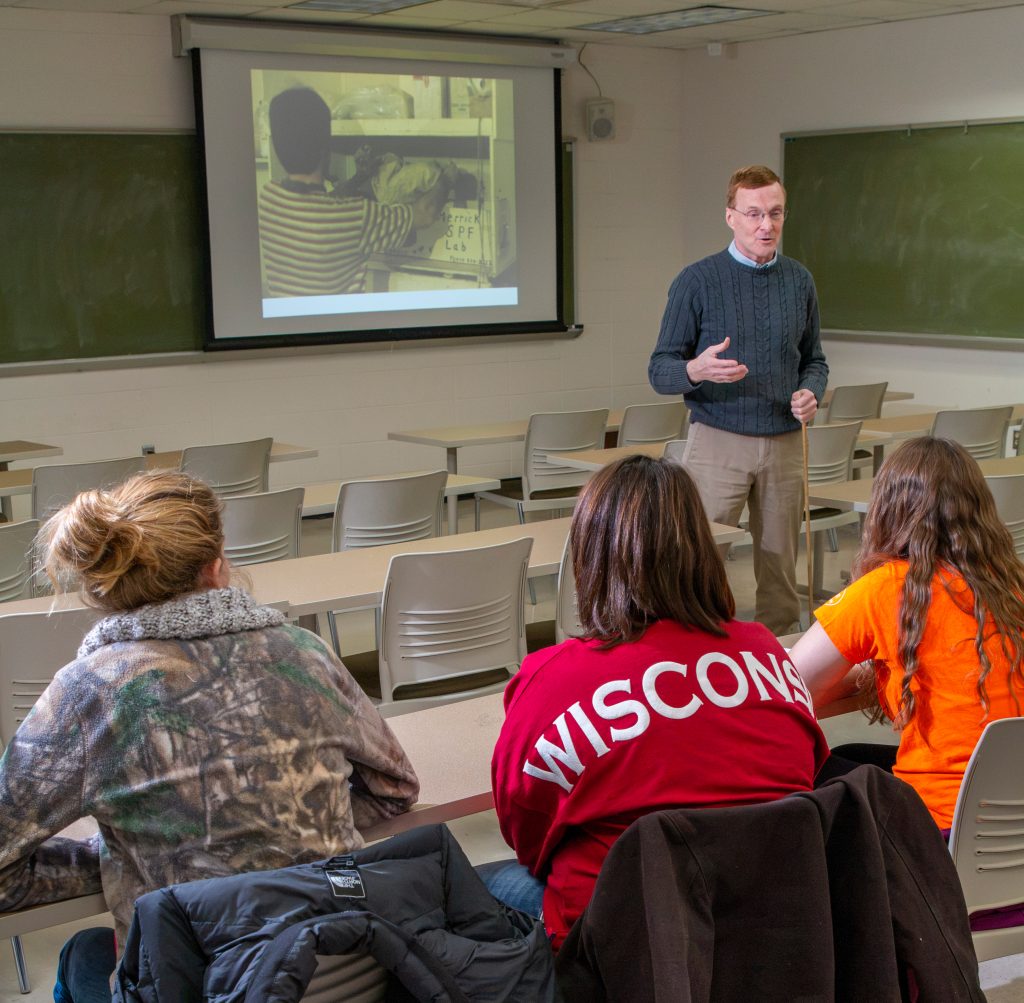
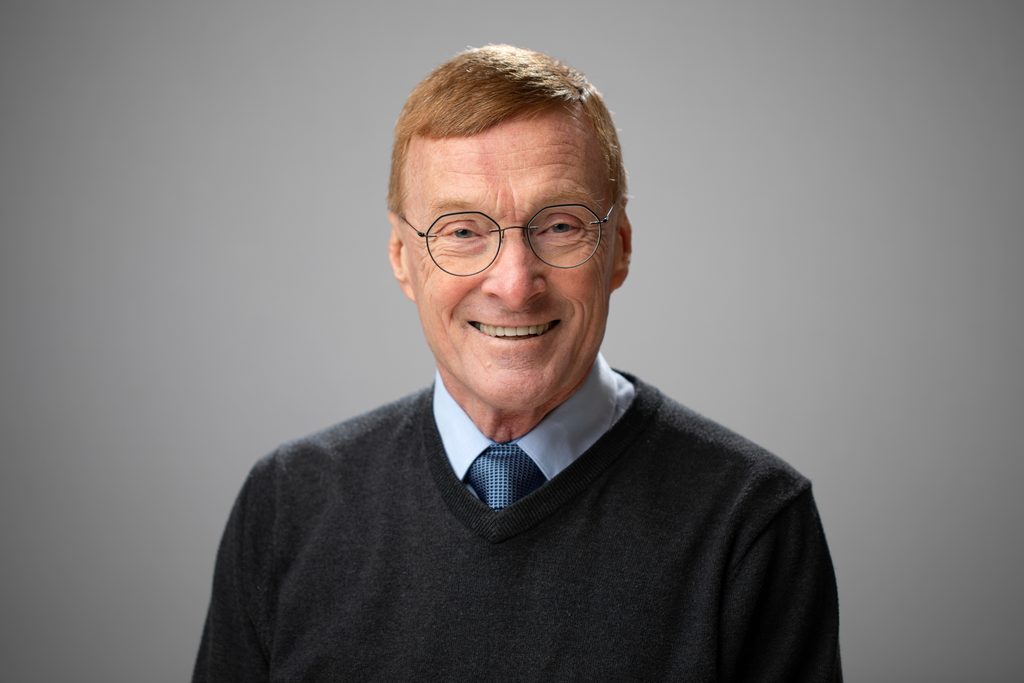
Tom Crenshaw, a dedicated professor and animal nutritionist, died unexpectedly on Oct. 31. A member of the UW–Madison faculty for more than 46 years, Crenshaw made significant contributions to teaching, service and research during those five decades, and he shaped the paths of scores of UW students.
He was widely recognized as a caring and dedicated teacher and mentor. As long-time colleague Hasan Khatib points out, Crenshaw had an extraordinary ability to connect with students and make professional connections for them that shaped their professional and personal lives.
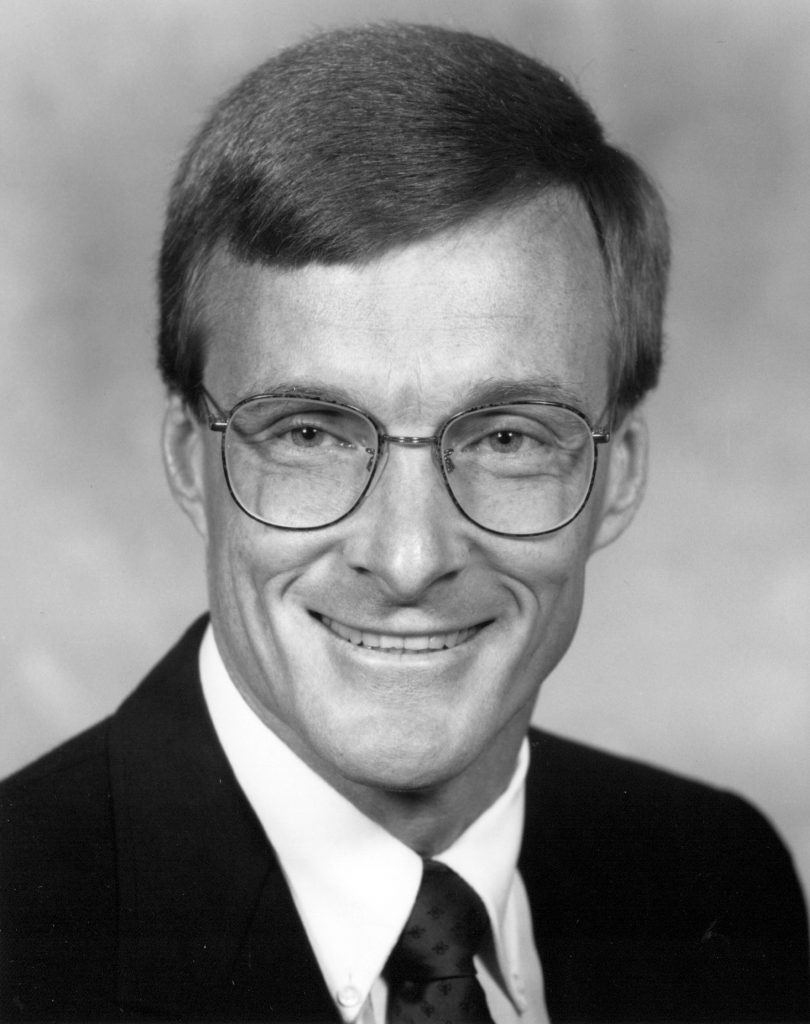
“He devoted countless hours to listening to their stories, understanding their backgrounds and aspirations, and recognizing the potential of students,” says Khatib, who is professor and vice chair in the Department of Animal and Dairy Sciences. “I believe many will remember Tom not simply as a distinguished professor and researcher but as someone who genuinely cared, believed in them and made a lasting difference in their lives.”
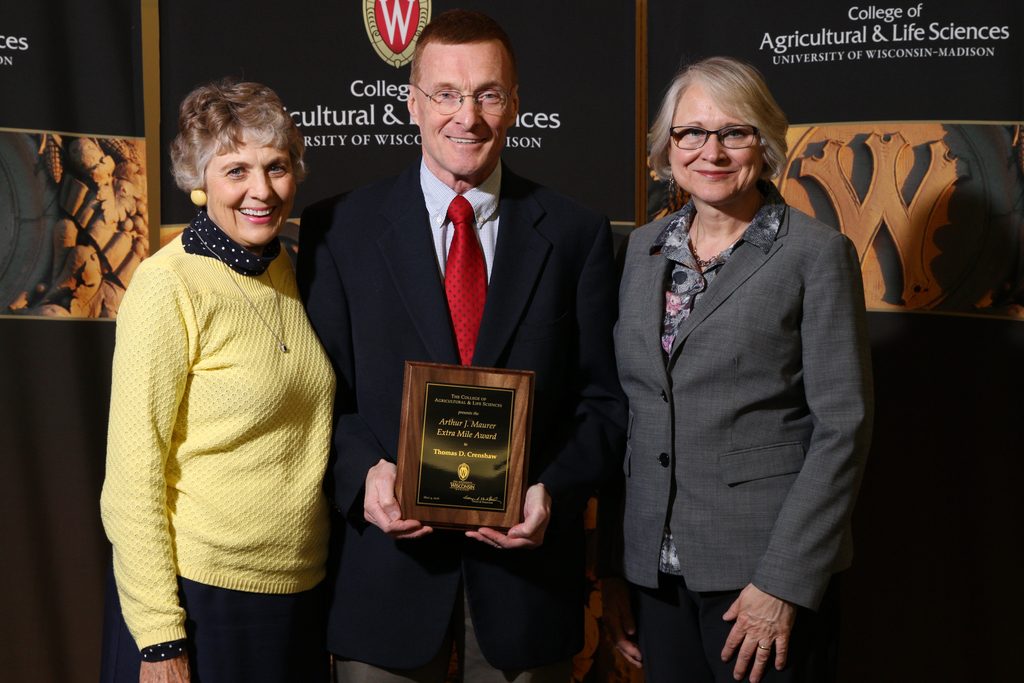
Throughout his extensive career, Crenshaw taught both large and small classes in comparative nutrition, applied non-ruminant nutrition and livestock production. He was frequently recognized for his outstanding student mentorship, receiving the Authur J. Mauer Extra Mile Award for excellence in mentoring and advising, which requires nominations to come from current students. Crenshaw also received a teaching award for Farm and Industry Short Course. He was deeply committed to involving undergraduate students in his research, allowing them to learn more complex research concepts through hands-on experience with active research projects.
His mentoring extended beyond the classroom and the lab. One of his passions was serving as the faculty advisor for the Iota Chapter of Alpha Gamma Rho fraternity (he was an alumnus of the University of Tennessee at Martin chapter), where he supported their mission of “making better men” who share “a common bond within a dynamic, global agriculture.”
An expert on bone integrity and ion balance, Crenshaw’s research required the integration of biochemical, physiological and cellular pathways with inorganic chemistry and mechanical engineering principles. He collaborated with researchers in mechanical engineering, orthopedic surgery, urology, human nutrition and biochemistry. Earlier this year, the Agricultural Research Stations honored him with their research award. In recent years, his work was nationally recognized with honors from the North Central Regional Association of State Agricultural Experiment Station Directors and the American Society of Animal Science.
Earlier in his career, the College of Agricultural and Life Sciences’ Agricultural and Consumer Press service released stories about Crenshaw’s research findings under the headlines “Probiotics flop in UW nursery pig trial,” “Sows on a treadmill build better bones,” and “Maximum growth doesn’t always maximize profits.”
Crenshaw was known for his thoughtful conversations, where he challenged people to think deeply, ask better questions and not accept answers at face value. In this, he was a pure scientist, always reaching for a stronger explanation that could withstand scrutiny. Sometimes these far-reaching discussions arose after a student would drop by Crenshaw’s office hours for a quick question, and he would end up being late for supper.
“Dr. Crenshaw is an ‘n of 1,’ as we say in science, because there has been no one like him, and there probably won’t ever be anyone like him again,” says Laura Amundson, who worked with Crenshaw for nearly 20 years, from her undergraduate years through graduate school and now as a scientist in his lab. “Even though Dr. Crenshaw was one of the most respected scientists in our industry, he always said research was just a vehicle for him to be able to work with and mentor students — and he lived out that philosophy every day. He taught me that my faith and family are far more important than any research project or job I will ever do or have, and I’m forever grateful for that.”
In addition to teaching and research, Crenshaw made important contributions to UW–Madison through his service. During the 2017-18 academic year, he chaired the department of animal sciences. He served on a number of college and university committees including the CALS Academic Planning Council, Agricultural Research Stations Committee, the college’s Institutional Animal Care and Use Committee (IACUC), the merger taskforce for the Departments of Animal Sciences and Dairy Science and the feed mill committee, to name a few. Notably, he played a critical role in planning the swine research and teaching center at the Arlington Agricultural Research Station. The center, still in use today, opened in 1998 following a fire that destroyed the previous facility, which Crenshaw led the design of in 1983. During the planning phase, he devoted himself to every detail and offered thoughtful explanations behind each decision.
“I have never met someone who pursued excellence in research with such intensity while caring so deeply about the well-being of the people around him,” says Jamie Reichert, a research program director with the Agricultural Research Stations. “I am profoundly grateful for the time I had the opportunity to learn from him, work alongside him and call him a friend. His influence will continue to be felt in the facilities he helped build, the research he advanced and, most importantly, the countless people he taught, mentored and inspired.”
As Agricultural Research Station feed mill manager Jeff Booth says, “Tommy was strengthening the swine industry and academia for generations to come, not only through better data and scientific discoveries but by nurturing the next generation of inquisitive scientists, educators and mentors. That is a legacy that will outlive us all.”
A celebration of life will be held on Monday, November 23, 2026, at 2:00 p.m. at Blackhawk Church, 9620 Brader Way, Middleton. A visitation will be held on Monday at the church from 1:00 p.m. until the time of service. A light reception will be held at the church following the service.
Jamie Reichert invites people to share their own memories and stories, “Tom’s greatest legacy lives in the people he influenced. If he made a difference in your life, please consider sharing a memory, lesson, or message for his family and the many others whose lives he touched: Tommy’s Legacy: Stories, Lessons, and Memories.”