

Eleven students selected for 2026 CALS Undergraduate Research Awards
Congratulations to the eleven CALS undergraduate students who were selected for 2026 CALS Undergraduate Research Awards. This award provides students with financial support for their research over the academic year. Read about the students and their research projects below.
Ellie Baudhuin

Project: Electrostatic interactions between Cwc15 and IPI-O1 mediate splicing-based defense against
Ellie’s research aims to understand the mechanisms behind blight resistance in potatoes. She will be working with the Hoskins Lab in the Department of Biochemistry, where her work could inform future strategies to maintain resistance in potatoes in ways that improve agricultural productivity and food security.
Ruby Bergstrom

Project: Investigating the Role of Transcription Factor BLIMP1 in Primordial Germ Cell Development
Ruby is a junior studying genetics and genomics and life sciences communication. In the Sridharan Lab in the Department of Cell and Regenerative Biology, she is researching primordial germ cells, which are essential for the transmission of genetic information to the next generation. Her work will help us better understand the mechanisms behind primordial germ cell development.
Danny Byrne
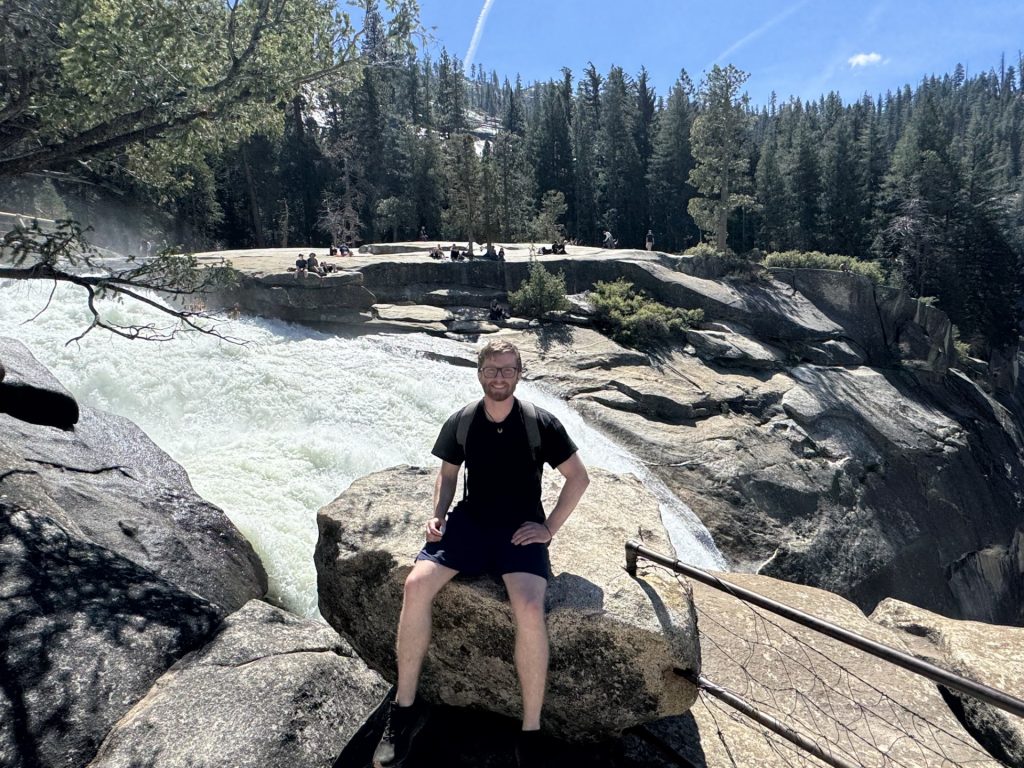
Project: Does Selective Herbivory by White-Tailed Deer Decrease the Diversity of Soil Seedbanks Within Wisconsin Forests?
Danny is researching how deer foraging patterns influence the diversity of soil seedbanks and their ecosystems. While the effects of deer foraging on plants has been studied, less is known about its effects on seed diversity. He is working with the Balster Lab in the Department of Soil and Environmental Sciences. Danny is a junior studying environmental science.
Eva Kunz
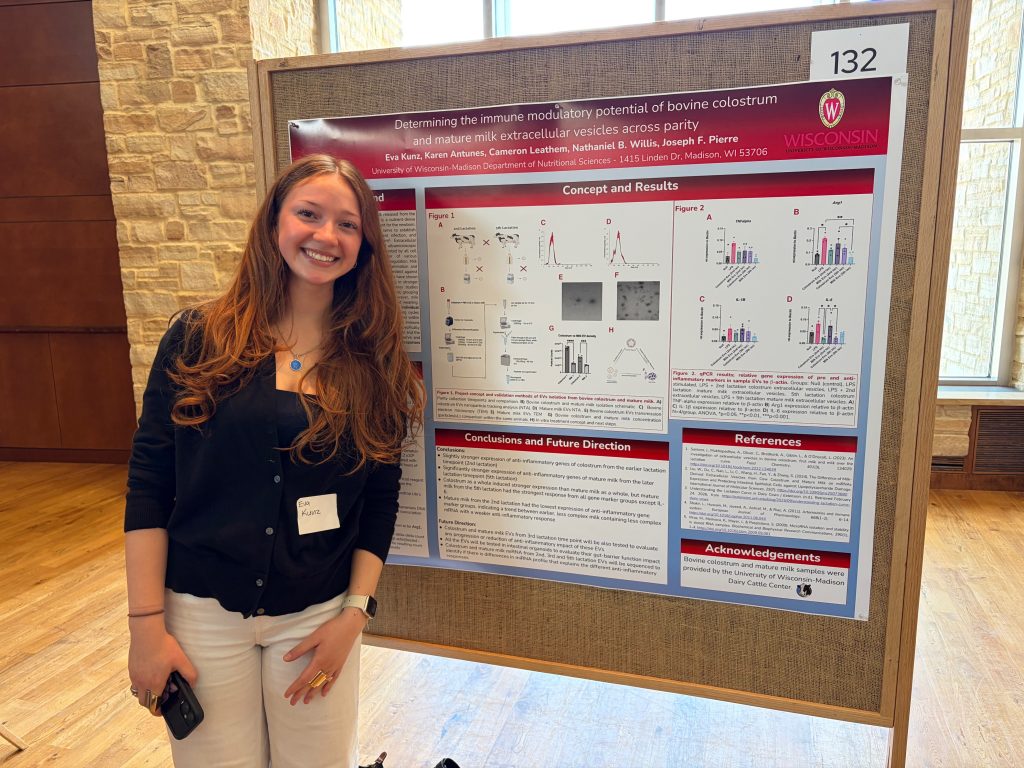
Project: Investigation of the miRNA profile of bovine colostrum vs mature milk across lactations and their immunomodulatory properties
Eva is a senior studying nutritional sciences. She is working with the Pierre Lab in the Department of Food and Nutritional Science. Her research will investigate the anti-inflammatory responses of bovine colostrum and milk in order to provide insight into the different anti-inflammatory properties of milk.
Jeffrey Leek
Project: Categorizing genes that defend against mutagenic stress across budding yeast clades
Jeffrey will be working with the Hittinger Lab in the Department of Genetics, where his research with environmental stress-induced mutations in yeast will help deepen our understanding of cell cycle regulation and replication and reveal novel information regarding budding yeast development. Jeffrey is a senior studying genetics and genomics.
Katherine Mahieu
Project: Imprinting status of the primate-specific chromosome 19 microRNA cluster in rhesus macaque
Katherine will be working with the Schmidt Lab in the Department of Obstetrics and Gynecology on the genetic mechanisms behind abnormal placentas. Her research will help advance knowledge of primate-specific gene regulation during placental development and strengthen the translational relevance of macaques in placental biology.
Qiya Meng
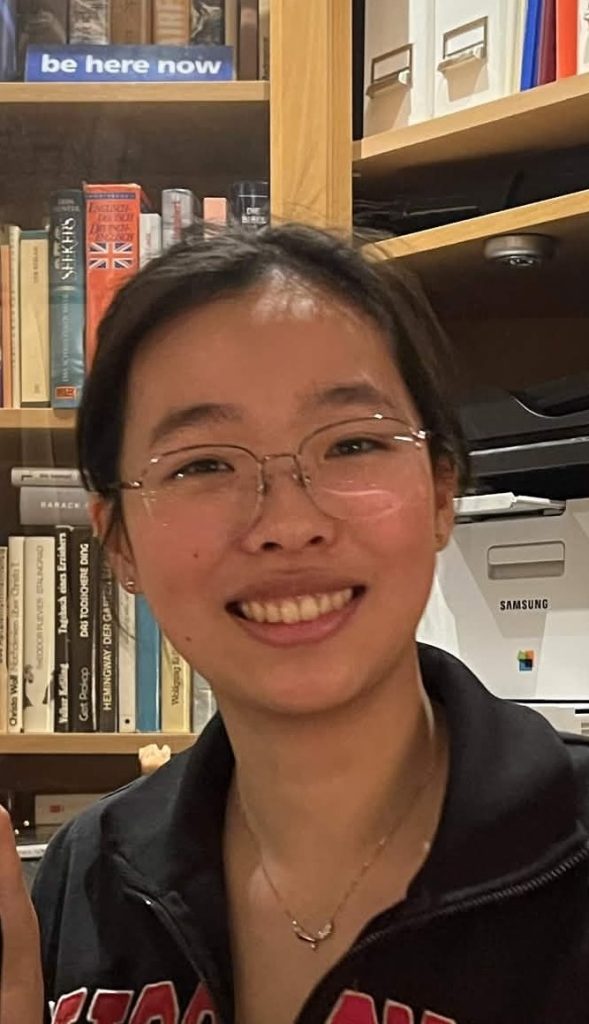
Project: Testing Pathway Modularity in the Promonan Biosynthesis Cluster of Sphingomonas sp. LM7
Qiya is a junior studying microbiology. She is working with Hershey Lab in the Department of Bacteriology where she is researching bacterial exopolysaccharides (EPSs), or materials created by bacteria to form structures that contribute to tasks such as cellular protection. Her work will help us understand how the organization of genes impacts bacterial pathways such as EPS synthesis, and how they function across different bacterial species.
Tyee Simek

Project: Managing the Ecological Invader of Wisconsin, Japanese Stiltgrass
Tyee is a senior studying agronomy who is investigating management practices for the invasive Japanese stiltgrass in the Kezar Lab in the Department of Plant and Agroecosystem Sciences. His research will provide valuable information on how to manage a rapidly expanding invasive species and protect Wisconsin ecosystems.
Lucia Sundberg
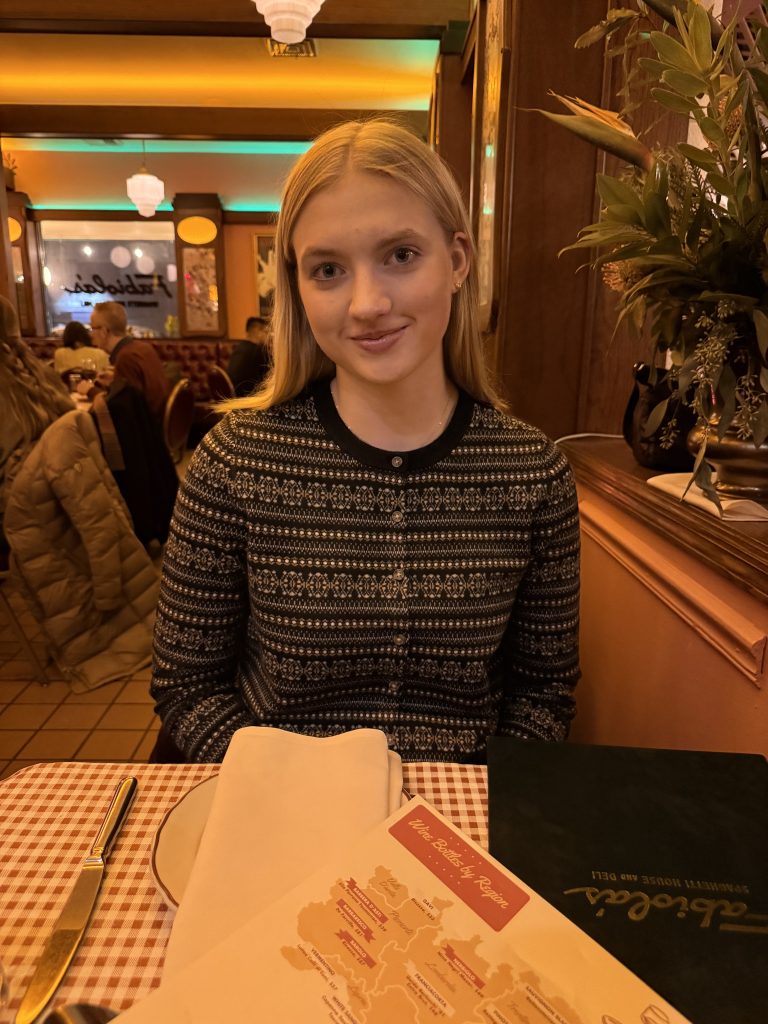
Project: Investigating the effects of TMEM135 mutation on lipid metabolism and oxidative stress in the brain
Lucia is researching how docosahexaenoic acid (DHA), a fatty acid found in the brain, preserves cognitive health at the molecular level, which may inform therapeutic strategies for age-related generative diseases. She is working with the Ikeda Lab in the Department of Medical Genetics. Lucia is a senior studying genetics and genomics.
Julia Tse
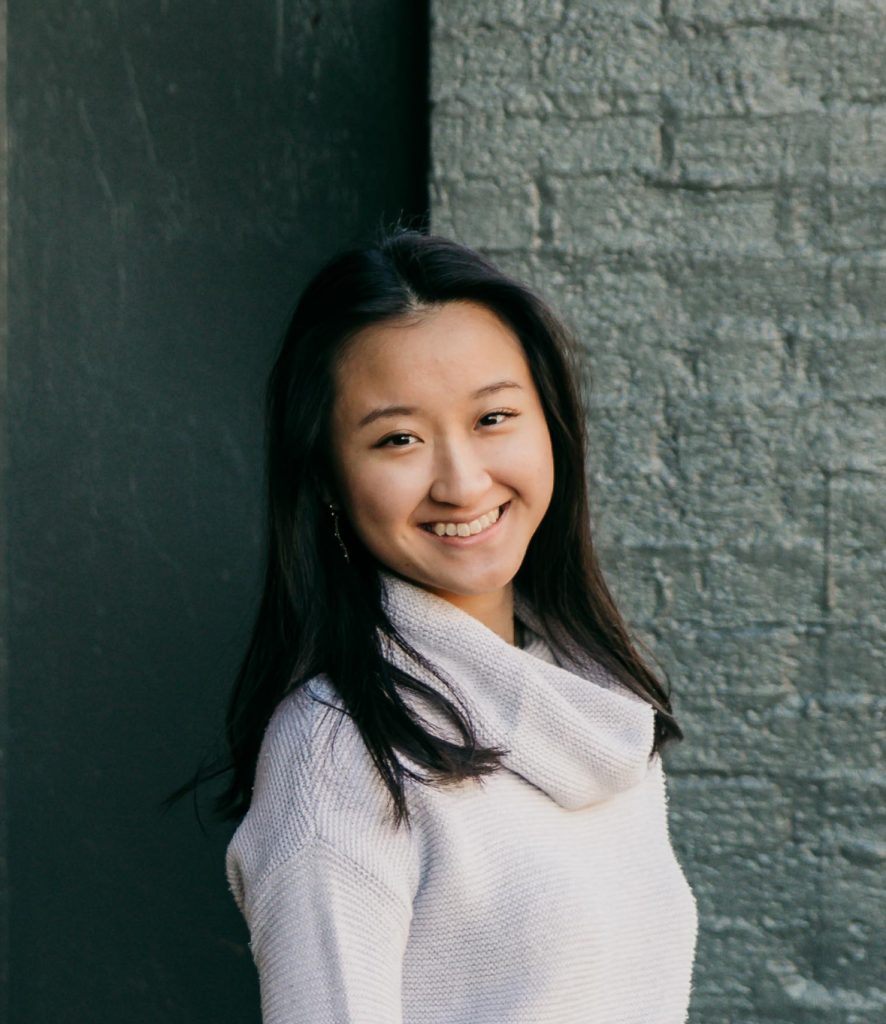
Project: Determining sex chromosome and gonadal sex contributions to neonatal cytokine profiles following maternal immune activation
Julia is researching environmental risk factors and sex-based autism spectrum disorders. Her work will help us better understand the development of autism spectrum disorders and may help guide future sex-specific therapeutic developments. She is working with the Werling Lab in the Department of Genetics. Julia is a senior studying genetics and genomics.
Lapyan Tsui
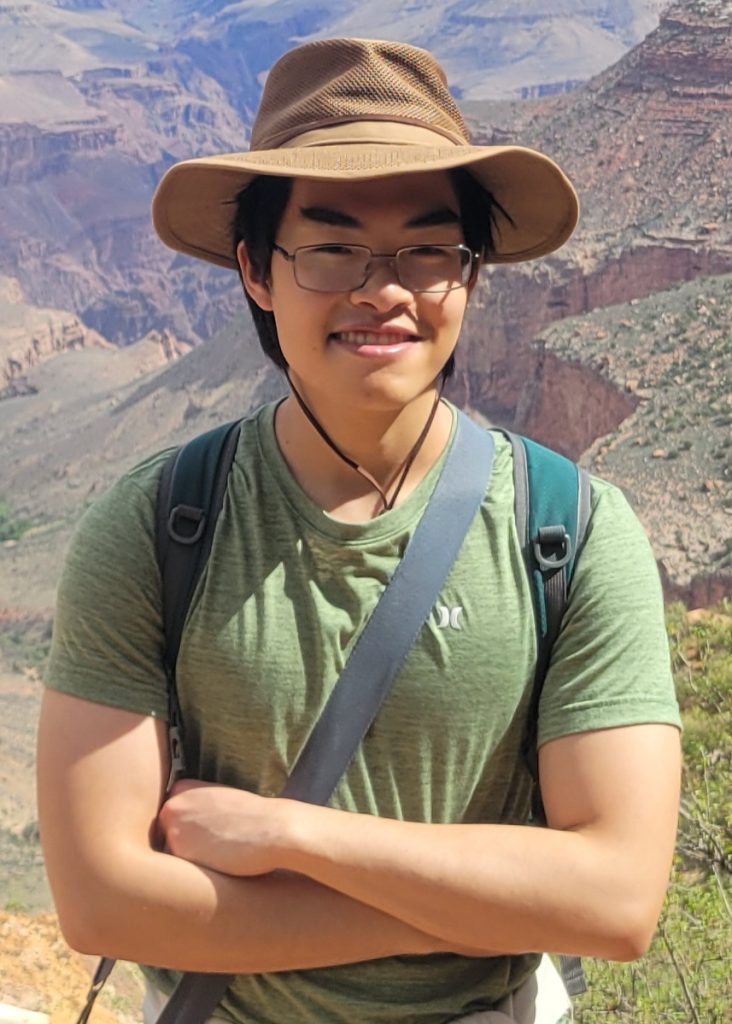
Project: Testing for a Natural Mechanism of Environmental DNA Acquisition in Filamentous Fungi
Lapyan is investigating the ability of the fungus Aspergillus flavus to incorporate DNA from its environment. His research in the Gluck-Thaler Lab in the Department of Plant Pathology may reveal a new gene transfer pathway that contributes to the fungi’s adaptability and resilience, provide insights into fungal evolution, and inform novel methods of fungal crop pathogen control. Lapyan is a senior studying genetics and genomics and plant pathology.