

Michael Xenos becomes first associate dean for graduate education in CALS
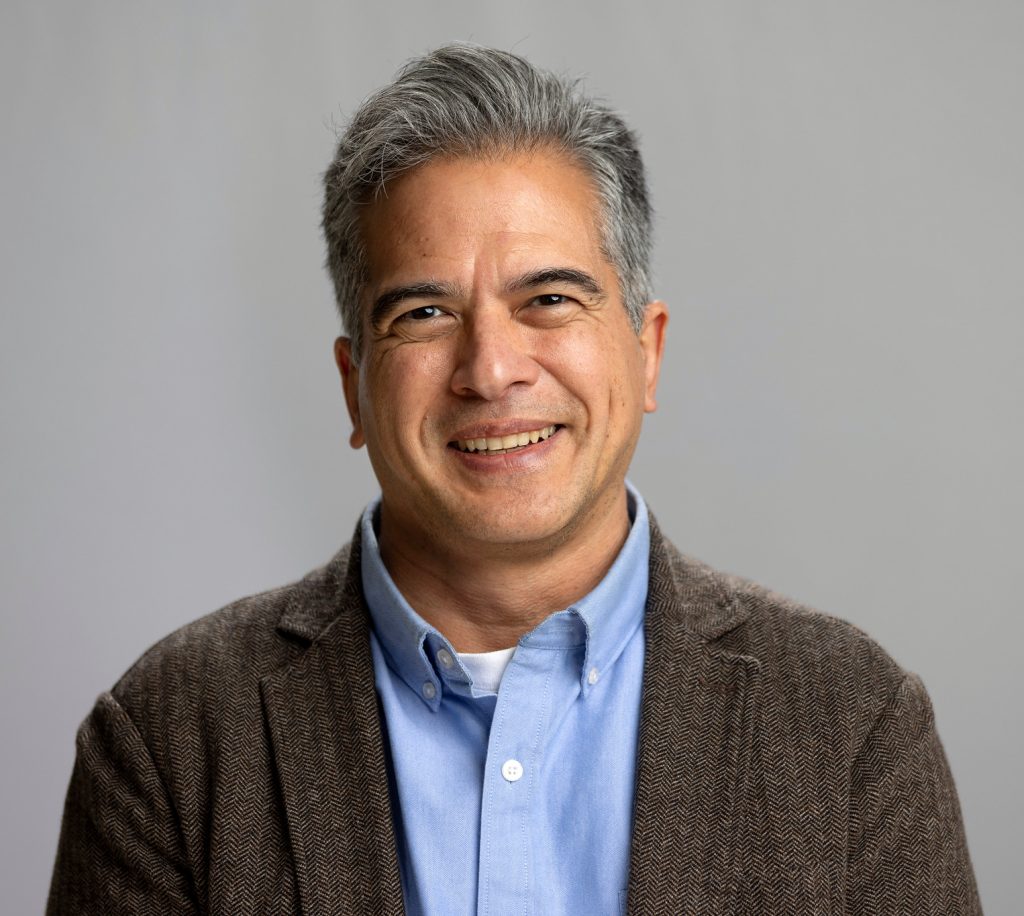
Dean Glenda Gillaspy named Michael Xenos, a professor in the Department of Life Sciences Communication, as the associate dean of graduate education. In this newly created position, Xenos will foster collaboration across CALS departments and graduate programs and advance best practices in mentoring, advising and climate; while working with departments to resolve student and advisor concerns.
Graduate education is at the core of the college’s teaching and research missions. CALS has 862 graduate students, and faculty members serve as trainers in more than 40 graduate programs.
“Graduate students are integral to our research and education missions, and their development and success is a priority for the college,” says Gillaspy. “Mike’s new role and experience will allow us to more effectively assess and evolve our programs to ensure our position among the best in the world.”
Xenos has deep experience at UW–Madison as a faculty member and administrative leader, including serving a five-year term as the chair of the Department of Communication Arts in the College of Letters & Science. Earlier in his career, he was an assistant professor in political science and mass communication at Louisiana State University.
He has worked with scores of graduate students since coming to UW–Madison in 2005. This includes supervising graduate students in both teaching and research appointments. Through the graduate certificate and PhD minor programs offered through the Department of Life Sciences Communication, he has served on dissertation committees for a wide variety of graduate students from other departments, including many biological and physical science units across campus.
“One of the great strengths of CALS is the diversity of disciplines and perspectives represented across our graduate programs,” says Xenos. “I look forward to working with faculty, staff and students across the college to build on that strength by supporting outstanding mentoring, fostering collaboration across units, and helping graduate students develop the skills and experiences they need to thrive.”
Xenos’s research focuses on how individuals perceive, make sense of and form opinions about science-related issues in an increasingly polarized public sphere. He teaches courses on politics, science, and public engagement and on digital media and science communication.
Gillaspy appreciates the engagement across the college during this search process. “It was inspiring to see so many highly qualified candidates interested in this position and to observe how the candidate presentations encouraged so much dialog on the importance of graduate education. There is a clear future for innovation,” she says.
Xenos will begin the role in July.