

New faculty profile: Yakun Zhang uses advanced technologies to study soil processes, support sustainability
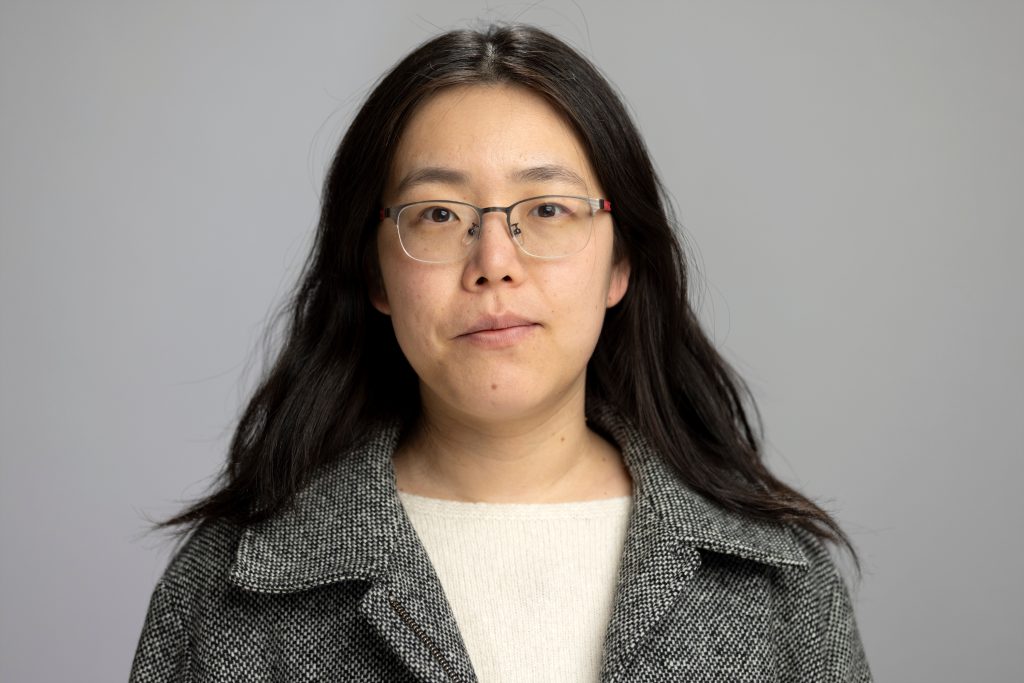
Yakun Zhang joined the UW–Madison faculty in January 2026 as an assistant professor in the Department of Soil and Environmental Sciences. Her position is part of RISE-AI, the technology-themed focus area of the university’s Wisconsin RISE Initiative strategic hiring effort to solve grand challenges.
What is your hometown? Where did you grow up?
Baoding, China, a city 93 miles southwest of the capital, Beijing.
What is your educational/professional background, including your previous position?
I received my bachelor’s degree in environmental science from Sun Yat-sen University in China and my master’s degree in renewable resources from McGill University in Canada. I then earned my PhD in soil science from University of Wisconsin-Madison. Before joining UW-Madison as faculty, I was an assistant professor at Oregon State University.
What is your field of research, and how did you get into it?
My research focuses on integrating soil and agricultural sciences with advanced technologies, including artificial intelligence, data science, sensors, and geospatial analysis. I work on developing tools and models that improve our understanding of soil processes and support more sustainable agricultural and natural resources management. I became interested in this field because I was fascinated by how complex our soil and environmental systems are, how human activities can reshape them over relatively short periods, and how new technologies can help us better monitor and manage these systems.
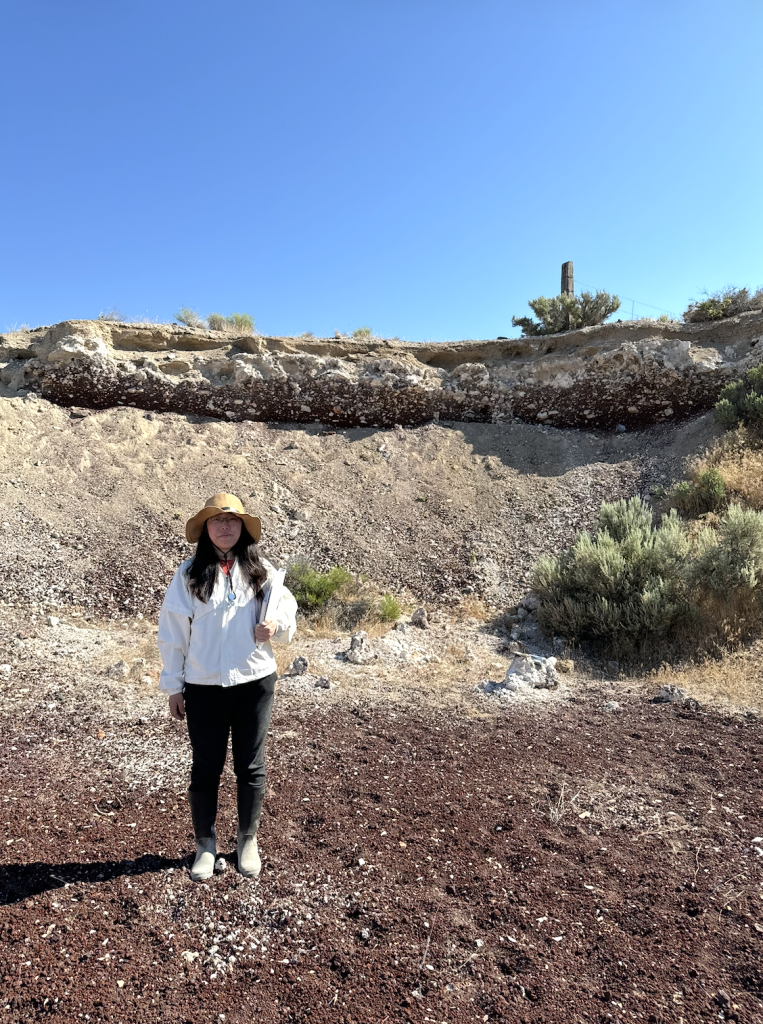
What are the main goals of your current research program?
The main goal of my research program is to improve the monitoring, prediction, and management of soil and environmental systems using innovative sensing technologies, AI-driven approaches, and large environmental datasets. I aim to develop practical tools to support sustainable agriculture, improve water and nutrient management, enhance soil health, and help address environmental challenges related to climate change and land use.
What was your first visit to campus like?
My first visit to campus was in the summer of 2016. I remember it being sunny, vibrant, and beautiful. The lakes, the energy on campus, and the welcoming academic environment left a very strong impression on me and made me excited about the possibility of studying and working here.
What classes do you teach?
I plan to offer a new course on AI in environmental science, which will introduce students to the applications of artificial intelligence, machine learning, and data science in environmental and agricultural research.
What’s the most important lesson you wish to convey to students?
I hope students understand the importance of critical thinking and interdisciplinary collaboration. Many of today’s environmental challenges are complex and require knowledge from multiple fields. I also want students to recognize that strong quantitative and computational skills can greatly expand their ability to solve real-world environmental problems.
Do you feel your work relates to the Wisconsin Idea? If so, how?
Yes. My research strongly aligns with the Wisconsin Idea because it focuses on developing practical scientific tools and knowledge that can benefit society beyond the university. My work aims to support farmers, land managers, policymakers, and communities by improving soil and water management, promoting sustainable agriculture, and helping address environmental challenges through science and technology.
What’s something interesting or surprising about your area of expertise that will make us sound smarter at parties?
One surprising fact is that it can take roughly 1,000 years to form just one inch of fertile topsoil, yet that soil can be lost within decades through erosion, deforestation, and poor land management. Soil is effectively a nonrenewable resource on human timescales.
What are your hobbies and other interests?
Outside of work, I enjoy hiking, photography, field trips, and road trips. I especially enjoy exploring new natural landscapes.